
When the familiar no longer holds us
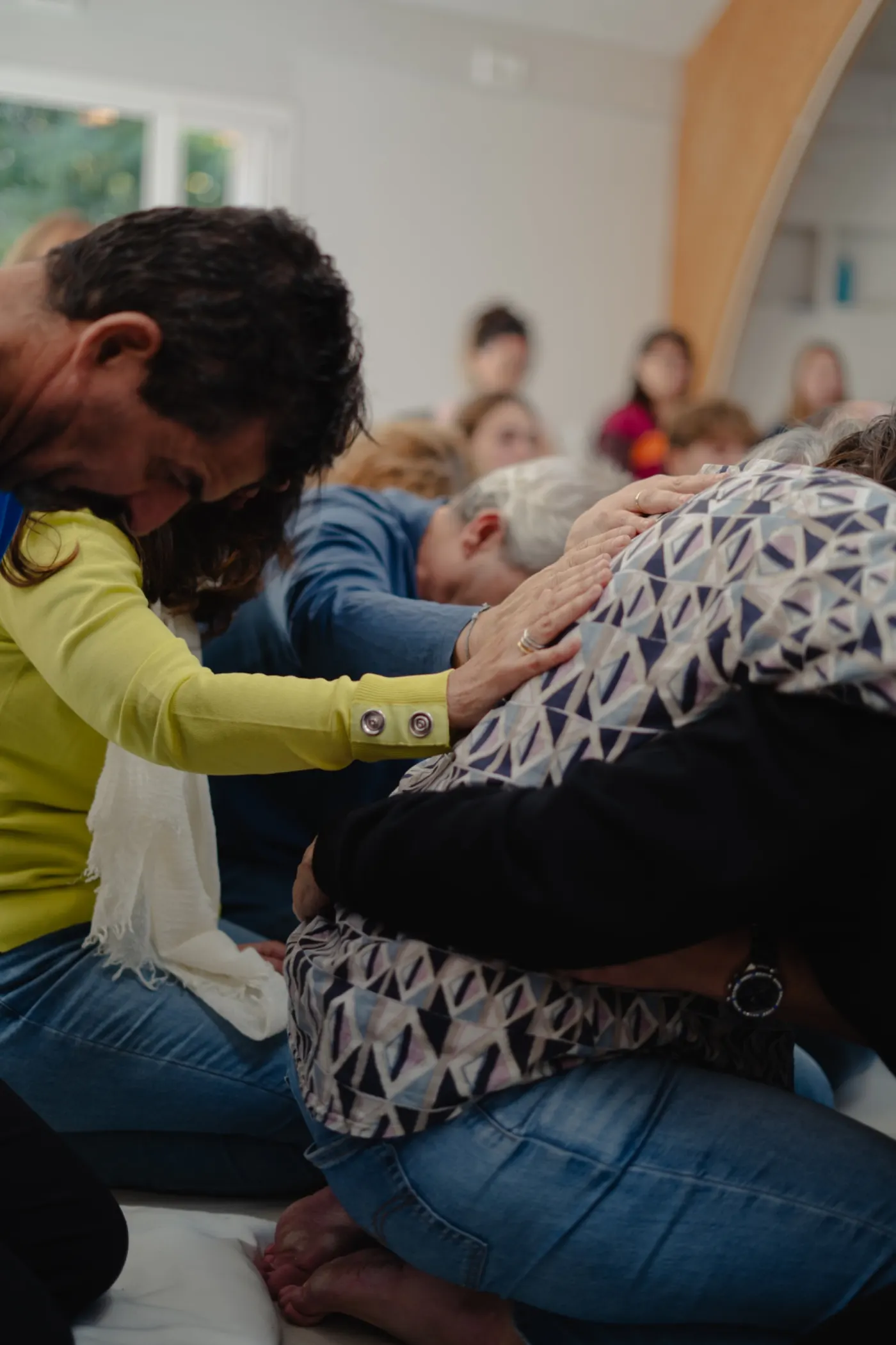
There are moments when the life we have built begins to feel strange to us. We still occupy the same places, attend to our responsibilities and relate to the same people as always, but something has changed in the way we inhabit it. What used to motivate us loses its force, and the familiar answers no longer explain what we feel. Sometimes this movement arrives after a loss or a significant change. At other times it makes itself present quietly, until we can no longer ignore it.
In such periods we usually look for an explanation, or a new direction that will give us back our sense of security. Yet there are processes in which we need to live alongside open questions, between a way of living that no longer sustains us and another we cannot yet recognise. Uncertainty then reaches something deeper than our circumstances: it calls into question the identity from which we had learned to relate to the world.
We may have recognised ourselves for years in the story we have built, in what we do or in the eyes of others. Through those experiences we have fashioned a character that holds valuable resources and strategies of protection. Perhaps we learned to solve problems in order to feel useful, to care for others in order to keep their affection, or to hide our vulnerability in order to avoid rejection. In time, those responses can become so habitual that it seems we can only be that way.
That is why it can be difficult to let go even of what makes us suffer. While we remain within a familiar way of living, we know who we are, what is expected of us and how to respond. When that form begins to change, we may feel that we are losing something of ourselves, even though what no longer manages to contain our whole experience is in fact the identity through which we had recognised ourselves until then. Needs, emotions or desires that previously found no place then begin to make themselves present, inviting us into a more honest relationship with what we are living.
For me, that is where the possibility opens of recovering our relationship with being, and of beginning to perceive that we are more than the account we explain ourselves with, more than a wound or the role we play. That understanding begins to become experience when we are able to observe a thought, feel an emotion or recognise a defence without identifying completely with them. An inner space then opens from which we can accompany what is happening to us and choose how to respond.
Silence helps us come into contact with that dimension. When the need to explain or anticipate diminishes, we can listen to the body and notice what we had overlooked: a persistent tension, a sadness covered over with activity, or a tiredness to which we had barely given any importance. Attention becomes more receptive and allows aspects of our experience to emerge that are not expressed through thought alone.
Inevitably, in that encounter the shadow appears: everything that fell outside the ideal image we were able to accept of ourselves. But what we have pushed aside continues to form part of our life and seeks to show itself in our reactions, our decisions and our bonds. Moving closer to it allows us to understand what story it holds and what potential has been constrained by the effort of keeping it away. Alongside anger or fear we may also find our capacity to decide, our sensitivity, and a creative force we had not allowed ourselves to express.
This work needs a compassionate gaze and a pace we can sustain. There are parts of us we know only through judgement, and they require time, care and accompaniment in order to show themselves differently. When we understand the function a defence has served, we can recognise the moments in which it still protects us and those in which it restricts our freedom. In this way our relationship with what we once tried to correct or reject begins to change.
Pain needs that attention too. Sometimes we add to our suffering the demand to have overcome it already, to understand it now, or to find a meaning in it. Recognising that pressure can ease part of the inner struggle and help us attend to what we really need. Giving space to a painful experience includes seeking support and taking the steps necessary to care for ourselves; every process has its limits and its timing.
It is from there that I understand surrender: as the willingness to acknowledge what is happening, including when it contradicts what we wanted. Admitting an ending, accepting a need or recognising that we do not yet have an answer places us before reality from another vantage point. We can move through the grief for what we expected and listen for the action that is ours to take now, without devoting all our energy to trying to restore what has already changed.
As that effort loosens, a sense of emptiness may appear. The old references have lost their force and we do not yet know how to continue. I speak of a fertile emptiness, because of the possibility it holds of letting something appear that previously had no room. Its fertility requires presence: listening to an intuition without rushing to turn it into a project, allowing a question to ripen, or staying with an experience before giving it a definitive explanation.
In that time we can discover moments of stillness that coexist with uncertainty, feel closeness without having to prove our worth, or recognise that we are still present even while a part of our life is being transformed. Those experiences bring us closer to a dimension of being that does not depend entirely on our functions and circumstances. What we are begins to feel less conditioned by the need to maintain a particular image.
Trust grows through that experience. We find that we can feel fear and still make a decision, need help and receive it, involve ourselves deeply without securing the outcome. We go on taking part in life, with a clearer awareness of what lies in our hands and of what also depends on others or needs to unfold in its own time.
Autumn, associated with the archetype of the Master, invites us to deepen this disposition. Its learning is bound up with discernment, detachment and openness to outcomes. Its shadow becomes visible when fear hardens our certainties and leads us into judgement or control, something that can also be seen on the spiritual path, when we turn what we have learned into a demand to be always at peace or to have left our difficulties behind. The Master returns us to the humility of continuing to learn, letting experience transform what we thought we knew.
This understanding needs to find expression in shared life. Transformation becomes concrete when we listen to a disagreement without closing down immediately, take on our part in a conflict, or repair the harm we have caused. We may fall back into a familiar reaction, but now we are able to notice it and open another possibility. In this way inner work reaches our bonds and helps us care for that which we are part of.
When the familiar no longer holds us, our story can find a place within a wider experience of who we are. We keep what we have learned and let other ways of feeling, choosing and relating appear. The return to being takes shape in that openness, in the capacity to live with greater presence while life continues to unfold.
This autumn we will meet from 16 to 18 October at Amalurra, in the retreat devoted to the archetype of the Master, to explore our relationship with detachment and trust through the body, silence and shared work. If you feel that these questions are present in your life, you can find more information and register here; https://www.irenegoikolea.es/en/autumn-retreat/

Irene GoikoleaDoctor in depth psychology, integral coach and founder of the Amalurra Project. More about Irene


